Plastic forms of packaging are so prevalent in our world. Go to any grocery store right now, and you’ll see so many plastic products. It’s convenient, versatile, and it’s the go to for people around the world. but plastic packaging is something that’s not good for the environment, and something we shouldn’t ignore.
Plastic’s Prevalence
Plastic is so useful, and it’s affordable and effective for product preservation.
With growing ecommerce and shopping online, the demand for plastic packaging provides a protective, lightweight solution for goods to be shipped. From food to drinks to even personal care and electronics, plastic packaging was used all around.
Through urbanization, we’ve had more contributions to packaged goods than before.
With more people moving to cities and leading some busy lifestyles, demand for this has completely soared. Plastic forms of packaging do offer portability and convenience that consumers desire, which makes it the ideal choice for consumers and manufacturers.
But the affordability and convenience of plastic packaging does come at a high cost to the world around you.
Almost 40% of the total plastic is used for this packaging, and only a fraction of this can be recycled. It’s a big statistic and shows that we need to change our ways.
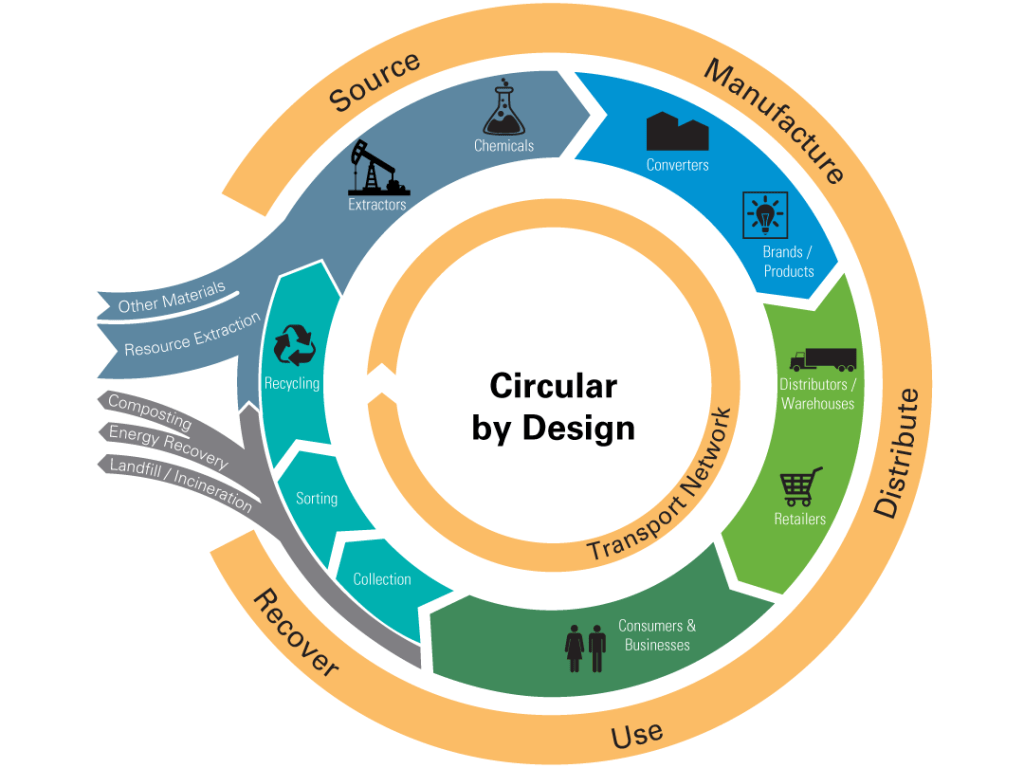
Plastic on the Environment
The disposal of plastic packaging has some dire consequences for our world.
Plastic ends up in landfills, and also pollutes the oceans, which in turn harms marine life and the ecosystems abound. This durability does mean that plastic takes forever to decompose, so it will lead to long-lasting damage to the environment.
The production of this also contributes to the most greenhouse gas emissions and the depletion as well of these resources.
With extraction and processing of these fossil fuels, including natural gas, to make plastic, it contributes to water and air damage, and further accelerates the climate change that’s happening.
The making of this also requires energy, so it will further exacerbate this impact. With non-renewable resources and chemical release being harmful during the production stage, it further contributes to the carbon footprint issues we have when it comes to plastic.
More and more efforts are being made in order to address this impact. More companies are exploring alternatives such as biodegradable forms of plastics, some compostable packaging, and paper-based forms of packaging.
More organizations and governments are also implanting regulations that are stricter for promoting recycling to reduce waste.
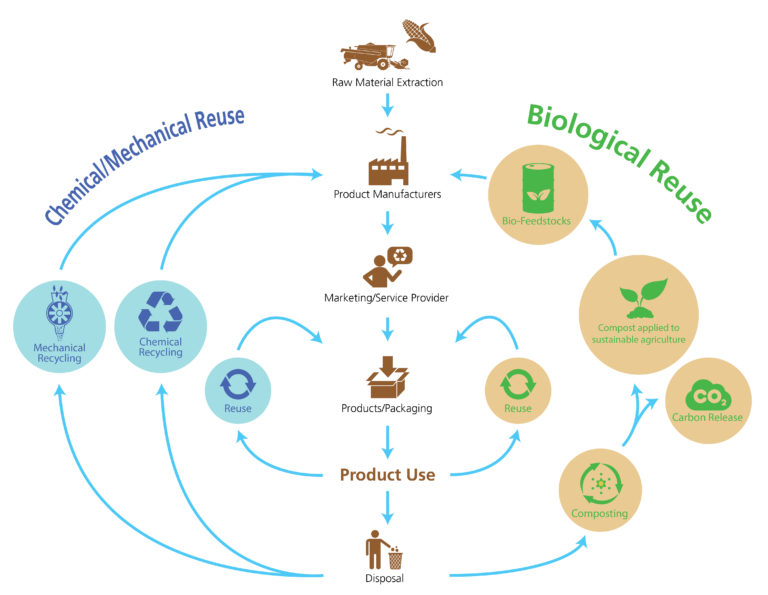
However the achievement of this does require a collective work together effort from everyone involved.
Consumers need to make more eco-friendly decisions, including opting for items with almost minimal packaging, or choosing alternatives. Manufacturers need to put in some research along with development, in order to create the ideal solution.
Governments as well need to encourage ethical plastic consumption and other practices that are there too.
So yes, while plastic packaging offers versatility and convenience, the environmental impact is something that cannot be ignored. With the prevalence of plastic forms of packaging all around our society, calling for us to reduce the waste and promote recycling while also developing alternatives, we have to work together, in order to create a packaging future that’s both functional, but also responsible towards the environment.
While yes, plastic is important, you should also be working towards more sustainable solutions, as this transforms the solution to many problems. Plastic packaging does fit into the circular economy, and it can have an impact that’s positive on both the economy, and the environment.
So yes, don’t be afraid, and use plastic today for your own needs.

